
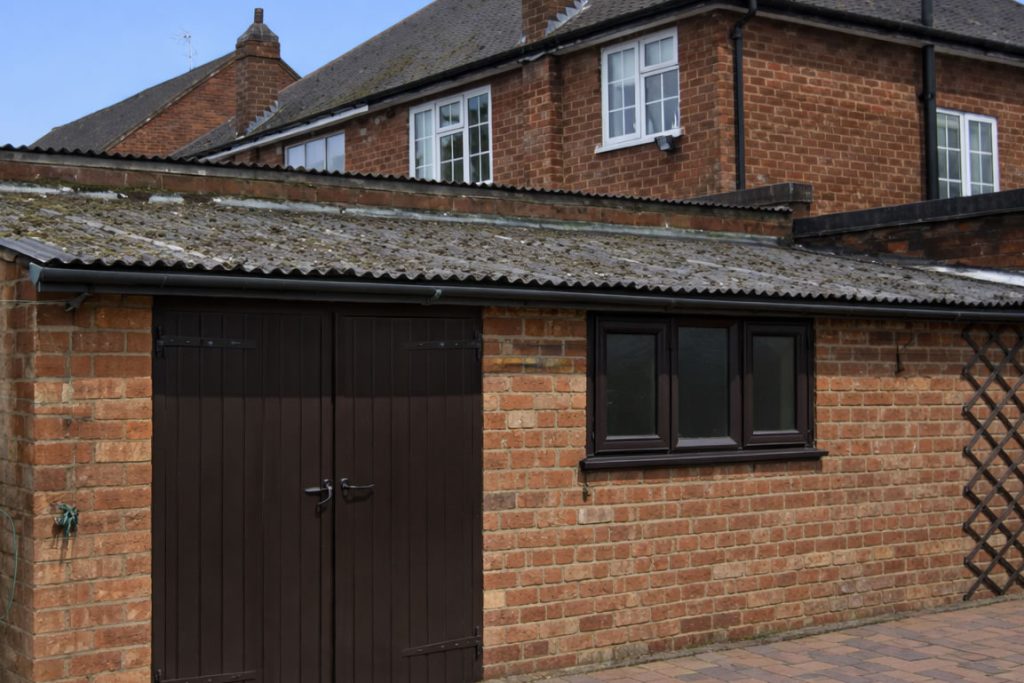
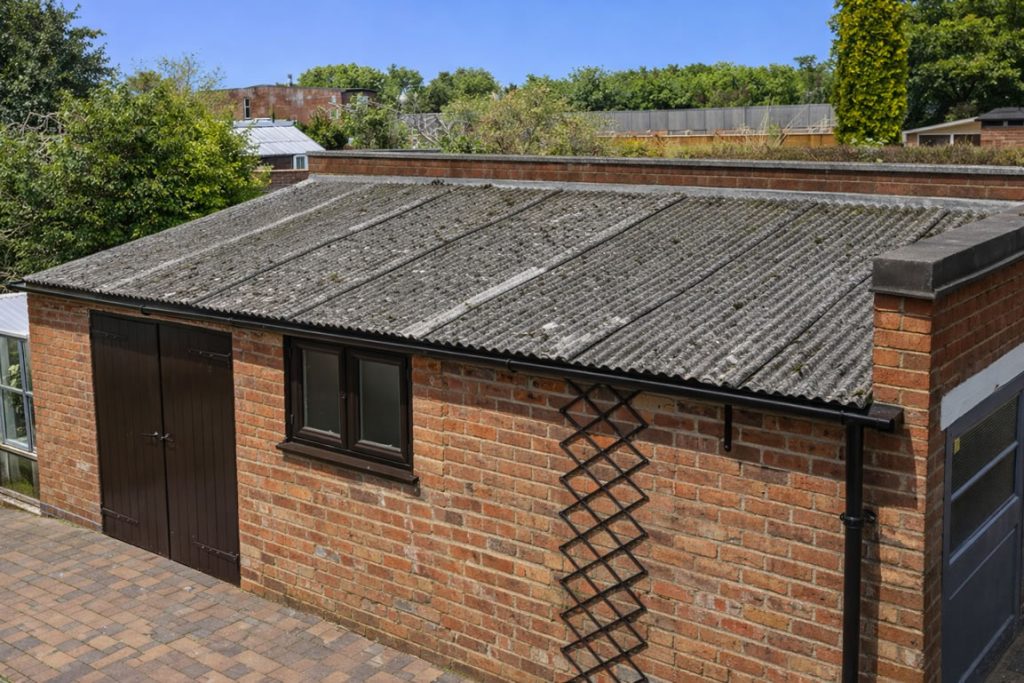
This page explains when DIY is a bad idea, what the rules typically involve, and what to do next.
The simple answer
Yes, sometimes — but it’s rarely worth the risk
- Asbestos cement (roof sheeting) is often classed as lower-risk, bonded asbestos, and some tasks can be done as non-licensed work if the risk is genuinely low and controlled.
- However, if the job will involve substantial breakage/damage of asbestos cement sheets, it can fall under NNLW and triggers extra requirements (notification, medicals/records for workers, etc.).
- Disposal is not “normal waste”: asbestos waste movements typically need the right hazardous/special waste documentation, and government guidance highlights that asbestos is treated differently from most other domestic hazardous waste.
Homeowner reality check: even if something is “allowed,” you still need to do it safely and legally. For most people, a professional removal + replacement is the sensible route.
When DIY removal is a particularly bad idea
Avoid DIY and get professional help if any of these apply:
- Sheets are cracked, brittle, badly weathered, or already breaking up
- You can see debris/dust under the roof or around the garage
- The roof is high, awkward, attached to the house, or access is tight
- You’d need to cut, drill, grind, sand, or snap sheets to get them off
- You were planning to pressure wash or aggressively clean the roof first (don’t)
What the HSE guidance is actually telling you
HSE makes a clear distinction between licensed work and non-licensed work based on risk.
For lower-risk materials like asbestos cement, HSE provides “Asbestos essentials” task sheets (including A14: removing asbestos cement sheets / small structures) that outline the controls expected.
And importantly: some asbestos cement jobs become NNLW, including cases where asbestos cement products (like roof sheeting) are likely to be substantially damaged or broken up.
A quick decision checklist (DIY vs professional)
Answer these honestly:
| Question | If “yes”… |
|---|---|
| Will any sheets likely crack/break during removal? | Treat as NNLW risk → use a competent asbestos contractor |
| Do you need to cut/drill the sheets or fixings? | Don’t DIY; this increases fibre release risk (use correct methods) |
| Is access awkward or the roof fragile to walk on? | Don’t DIY; safety risk + breakage risk |
| Do you have a legal disposal route and paperwork sorted? | Don’t start until you do |
If you still plan to DIY: what you’d need to get right
This is not a step-by-step removal guide — it’s the “minimum reality” of what’s involved.
1) Correct work category and training
Workers disturbing asbestos need appropriate information, instruction and training, and it must match whether the work is non-licensed / NNLW / licensed.
2) Follow task-based control guidance
HSE’s “Asbestos essentials” task sheets exist for exactly this reason, including A14 for removing asbestos cement sheets and small structures.
3) Disposal and paperwork
Asbestos waste movements are treated differently from most other domestic hazardous waste, and you need the right documentation/route (especially if a contractor is transporting it).
The safer alternative: removal + replacement in one quote
Most homeowners choose a combined job:
- Controlled removal and disposal
- New roof fitted (commonly steel or bitumen corrugated sheets)
It’s usually faster, safer, and avoids mistakes that can make the job more expensive later.
FAQs
Is removing asbestos cement garage roof sheets always “licensed work”?
No. HSE explains that whether work is licensable depends on risk; asbestos cement work is often non-licensed, but still must be done safely. Some asbestos cement jobs can be NNLW if breakage/damage is likely.
If it’s non-licensed, does that mean it’s safe to DIY?
Not necessarily. “Non-licensed” doesn’t mean “no controls.” Training, correct methods and disposal requirements still apply.
Can I take asbestos sheets to the tip?
Rules vary locally. Many areas have strict limits and specific arrangements. Also, asbestos waste movements have additional documentation requirements compared with most other domestic hazardous waste.
What makes asbestos cement removal become notifiable (NNLW)?
HSE includes asbestos cement products (eg roof sheeting) in NNLW examples where the material will be substantially damaged or broken up.
What’s the safest first step if I’m unsure the roof is asbestos?
Treat it as suspected asbestos, don’t disturb it, and request professional identification/advice before any work starts.