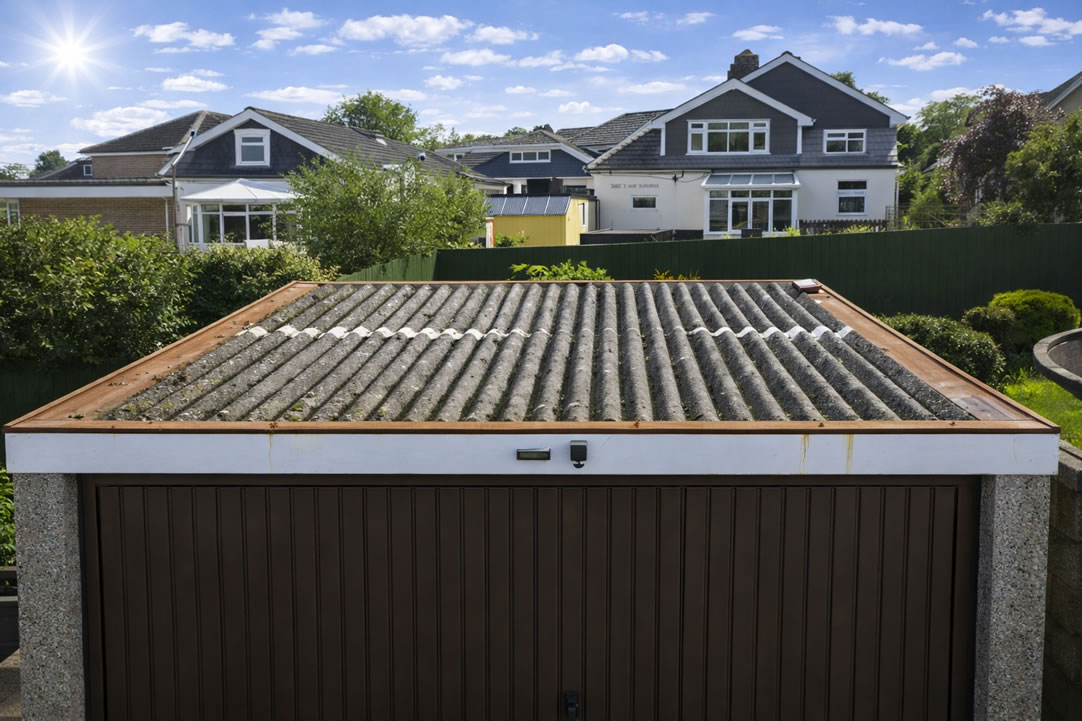
You can clean an asbestos cement garage roof in some situations, but you shouldn’t treat it like a normal roof-cleaning job. In fact, the safest approach is often to leave it alone if it’s in good condition. When you disturb, scrape, or blast the surface, you can increase fibre release and create a much bigger problem.
Because of that, this post focuses on two things:
- when cleaning might be considered, and
- what you must avoid.
First: what type of asbestos roof are we talking about?
Most “asbestos garage roofs” in the UK are asbestos cement sheets (often corrugated). These are generally classed as lower risk than friable asbestos products, but they still become hazardous if you damage them.
If you’re not sure what the roof is, treat it as asbestos cement until proven otherwise.
The safest default: don’t clean it unless you have a strong reason
If the roof is intact and not shedding debris, HSE guidance often supports leaving asbestos-containing materials in place and monitoring their condition, rather than disturbing them.
So, before you do anything, ask:
- Are you cleaning for looks only (moss/lichen staining)?
- Or do you need access for repairs/replacement anyway?
- Is the roof already cracking, flaking, or leaking?
If it’s purely cosmetic, leaving it alone is often the best risk-reduction decision.
What NOT to do (this is where homeowners go wrong)
If you suspect asbestos cement, avoid anything that abrades, breaks, or aggressively disturbs the surface.
Don’t do these “common” cleaning methods
- Don’t pressure wash / jet wash the roof. HSE task guidance treats high-pressure jetting as exceptional and specialist-only, because it can disturb the surface and create contaminated slurry.
- Don’t dry-brush, sweep, or wire-brush moss/lichen off. Local authority guidance specifically warns against dry brushing and wire brushing, because it can damage the surface.
- Don’t scrape hard or “pick” at stubborn lichen roots. If it doesn’t lift easily, leaving it is often safer than damaging the sheet.
- Don’t sand, grind, drill, cut, or snap sheets to “make the job easier”. HSE warns against aggressive disturbance and power tool use on asbestos materials.
- Don’t climb onto the roof. Asbestos cement roofs are fragile and don’t bear weight.
When cleaning might be considered
Sometimes you do need action, for example:
- The roof has heavy moss growth and you worry about long-term deterioration.
- You plan to coat/encapsulate the roof and need preparation.
- Debris has collected in gutters and you want to reduce overflow issues.
- You need safe access planning before replacement.
Even then, you should think “minimal disturbance” and “controlled method”, not “deep clean”.
HSE provides specific task guidance for cleaning weathered asbestos cement roofing and cladding (aimed at trained workers), including warnings about roof fragility and the fact that high-pressure jetting is only appropriate in exceptional cases and requires specialist contractors.
Safer alternatives to “cleaning it like a normal roof”
| Option | When it suits | Why it’s safer |
|---|---|---|
| Leave it alone + monitor | Roof is intact | Avoids disturbance and fibre release |
| Target gutter maintenance only | Main issue is overflow/leaks at edges | Tackles symptoms without disturbing the whole roof (see HSE asbestos cement task sheets list) |
| Professional clean + controlled slurry collection (specialist) | You genuinely need cleaning/conditioning | Uses controlled methods described in HSE task guidance |
| Encapsulation/coating (professional) | Roof is sound but weathered | Seals surface, reduces future fibre release risk (training/competence matters) |
| Removal and replacement | Roof is leaking, cracking, or near end-of-life | Solves the problem instead of repeating risky “maintenance” cycles |
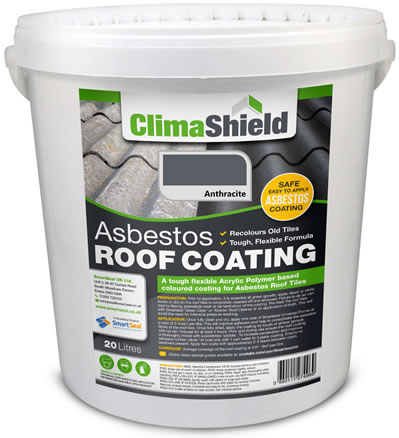
“If it’s covered in moss… what should I do?”
Some councils publish homeowner guidance for asbestos cement roofs that recommends non-abrasive approaches (for example, using a biocide and avoiding jet washing), while also warning against dry brushing/wire brushing and advising you to stop if removal becomes difficult.
That said, because roof access and material condition vary so much, the safest homeowner-level advice is:
- don’t climb up,
- don’t use high pressure, and
- get a competent contractor if you feel the roof needs intervention.
What to ask a contractor (copy/paste)
- Postcode
- Garage roof: suspected asbestos cement (corrugated / flat sheets)
- Condition: intact / cracked / leaking / heavy moss growth
- Goal: cosmetic improvement / prevent gutter overflow / prepare for coating / replacement
- Ask: “Do you follow HSE Asbestos Essentials guidance for asbestos cement tasks?”
- Ask: “Will you avoid high-pressure cleaning unless truly necessary, and how will you control waste/slurry?”
FAQs
Can I pressure wash an asbestos garage roof?
You should avoid it. HSE task guidance treats high-pressure jetting as exceptional and specialist-only for asbestos cement cleaning.
Is it illegal to clean an asbestos cement roof yourself?
The law is more complex than a simple yes/no. However, HSE strongly encourages trained professionals for repair or removal work, and you should avoid methods that damage or aggressively disturb asbestos cement.
What’s the safest thing to do if the roof is in good condition?
Often, leaving it in place and checking its condition occasionally is the safest option, because it avoids disturbing the material.
If moss is thick, does that mean I must clean it?
Not always. If removal risks damaging the surface, guidance commonly suggests leaving stubborn growth rather than scraping aggressively. In many cases, professional advice is the safest next step.